Autumn Crocus
In the Eden Valley at the village of Morland were these Autumn Crocus growing by the river. Not sure of their origin but it is a very old village as you can read on the Church history plaque.
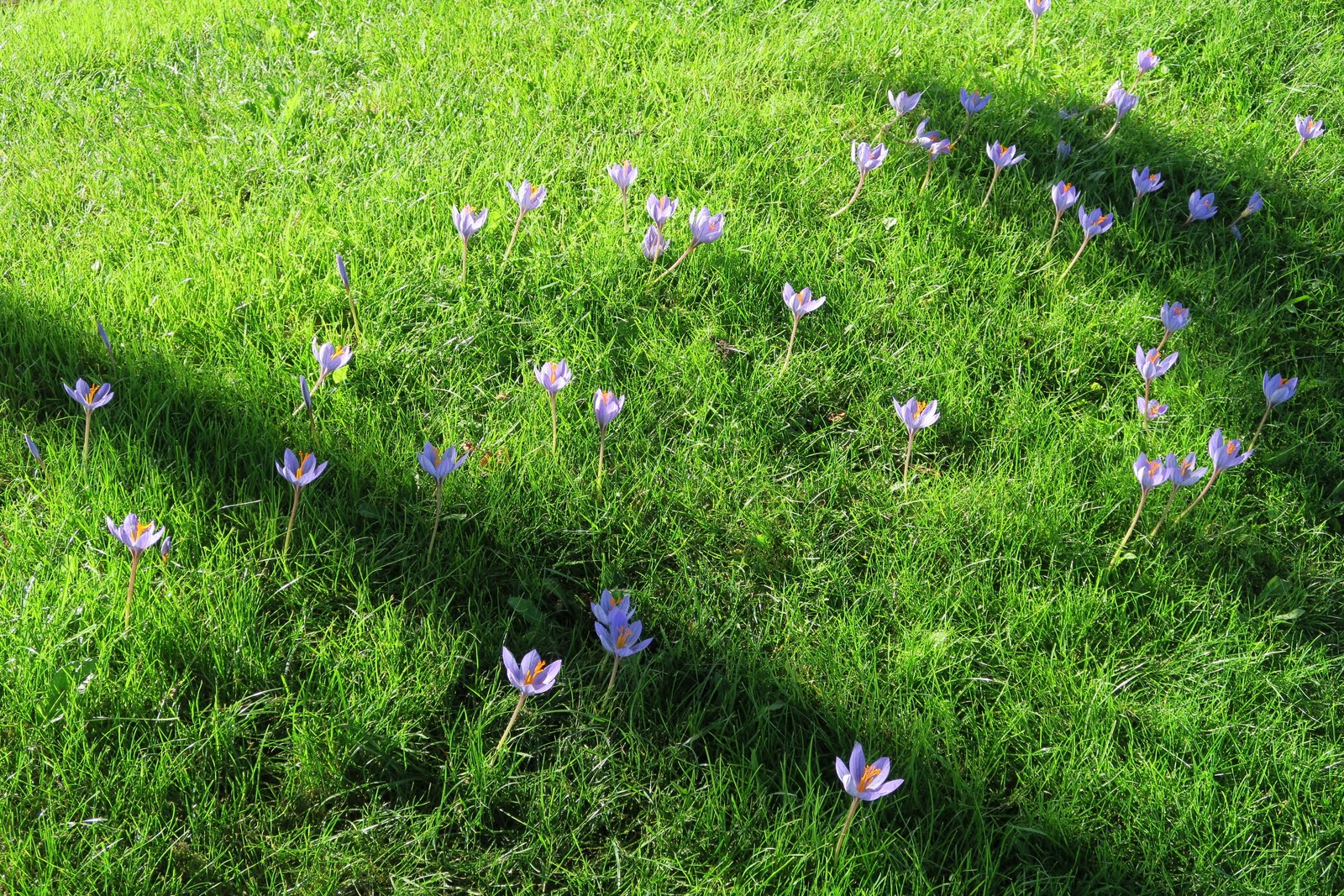
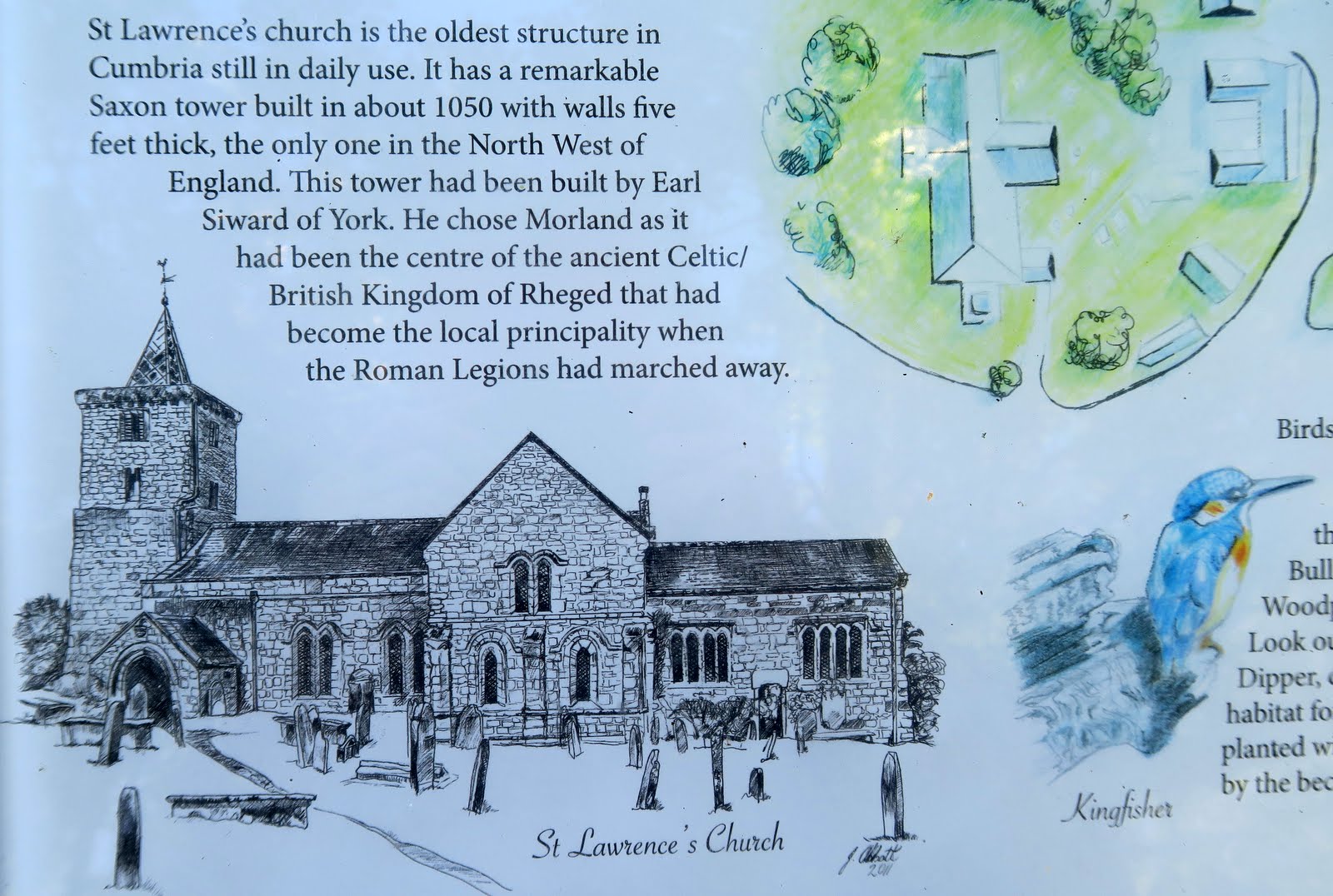
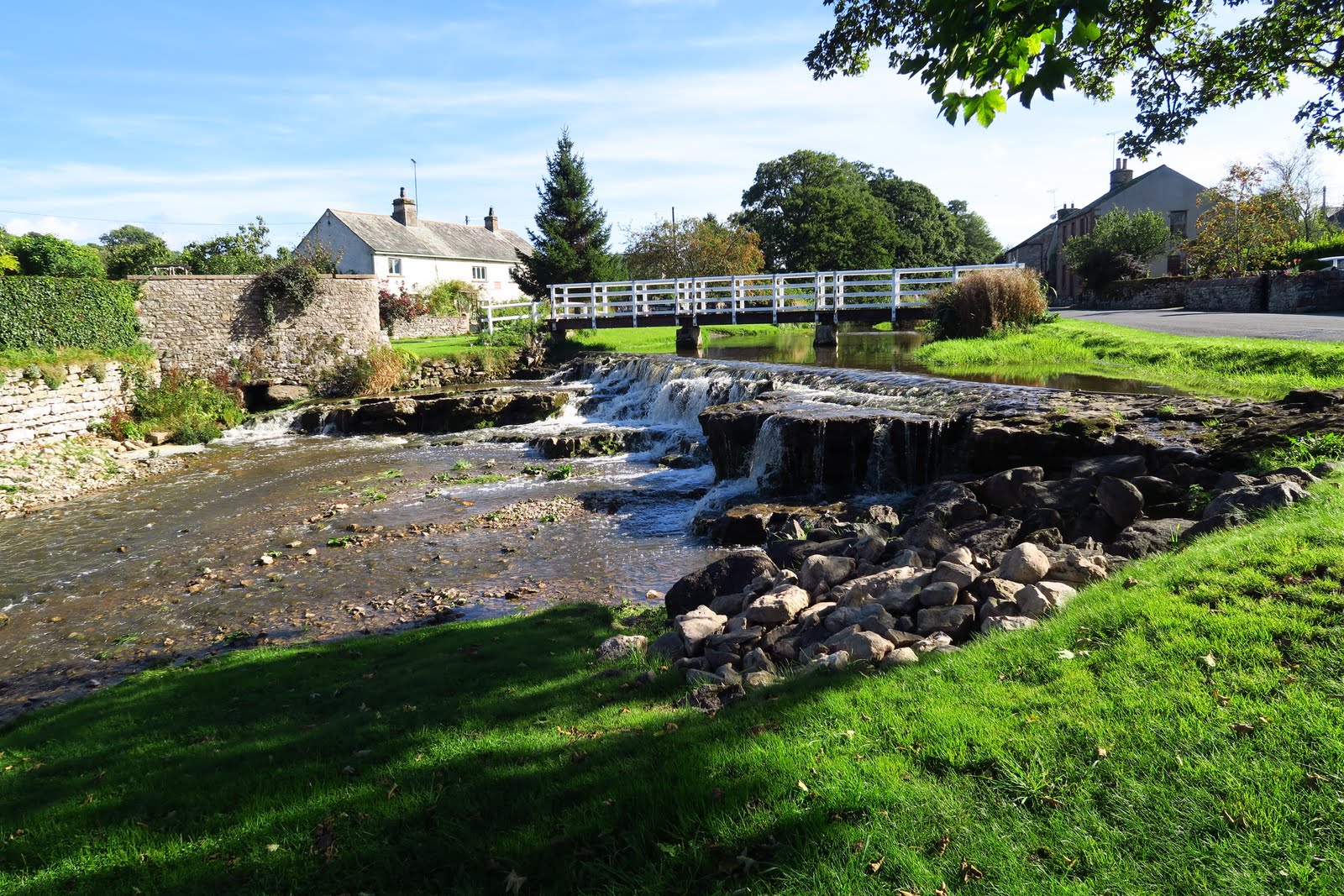


In the Eden Valley at the village of Morland were these Autumn Crocus growing by the river. Not sure of their origin but it is a very old village as you can read on the Church history plaque.
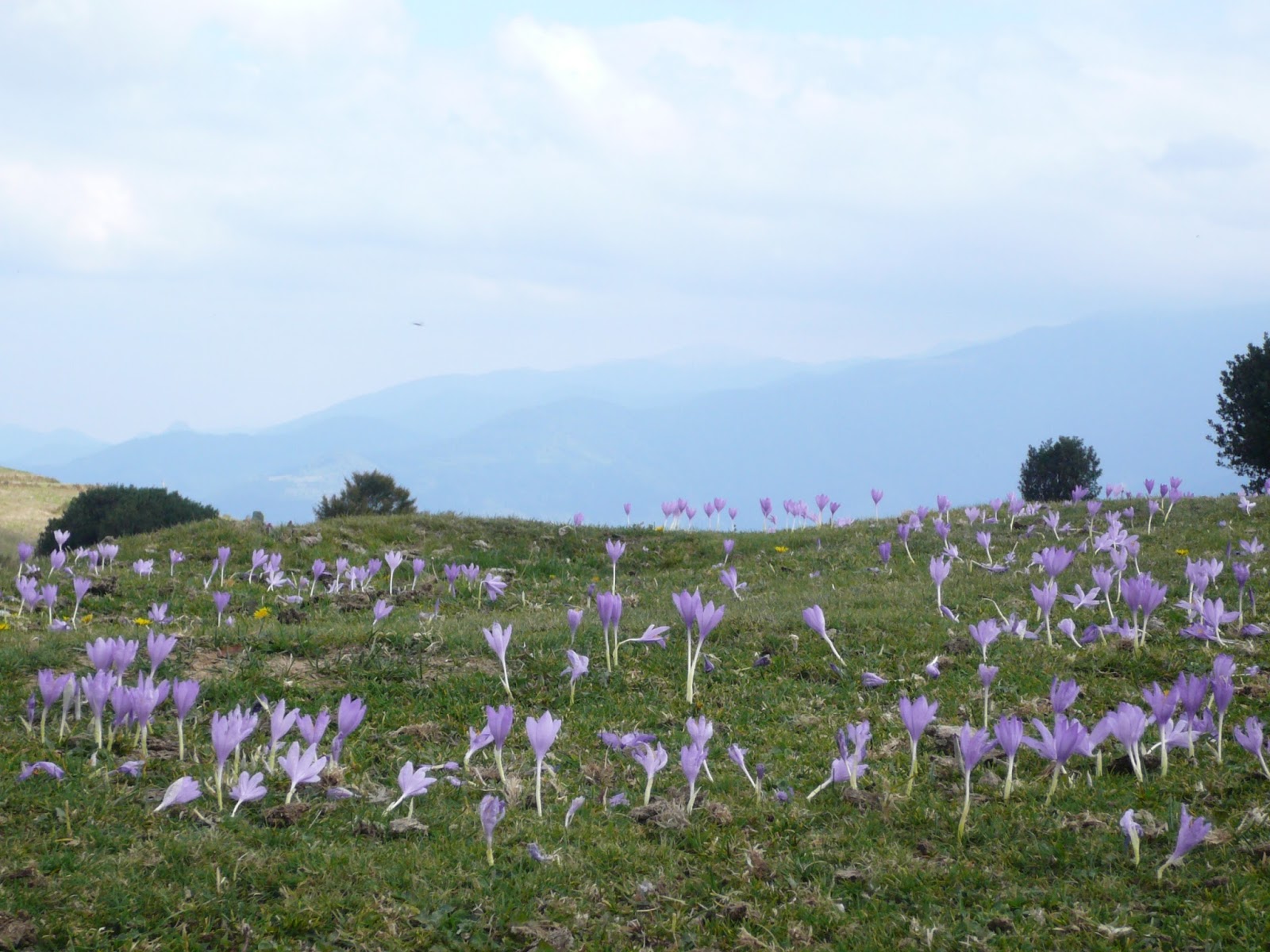
(These are Crocus nudiflorus I photographed in the Pyrenees, and this is the one we have in the fields and woods in Calderdale in about 40 places that we know of.)
New Durham University study finds ANY burning on Walshaw Moor Estate increases flood risk in Hebden Bridge | Upper Calder Valley Plain Speaker.
http://www.energyroyd.org.uk/
The Annual Autumn Crocus walk will take place tomorrow the 24th.
Meet at 10:30 at School Lane top, easy parking. Or meet at Bradshaw Church at 10:45, also easy parking, for a gentle 3 mile walk. Bring some lunch and drink. See previous post below. All welcome. Dogs on lead please.
Autumn Crocus Walk. Saturday 24th of September 2016
We made a quick visit to one of the sites in Bradshaw prior to next Saturday’s walk. Bradshaw Church grounds have approx 200 blooms.
Lets hope that they are still fresh next Saturday.
Meet Bruce at School Lane top at 10:30 or Bradshaw Church car park at 10:45 for a 3 mile stroll up to Ogden and down to Holmfield for more Autumn Crocus.
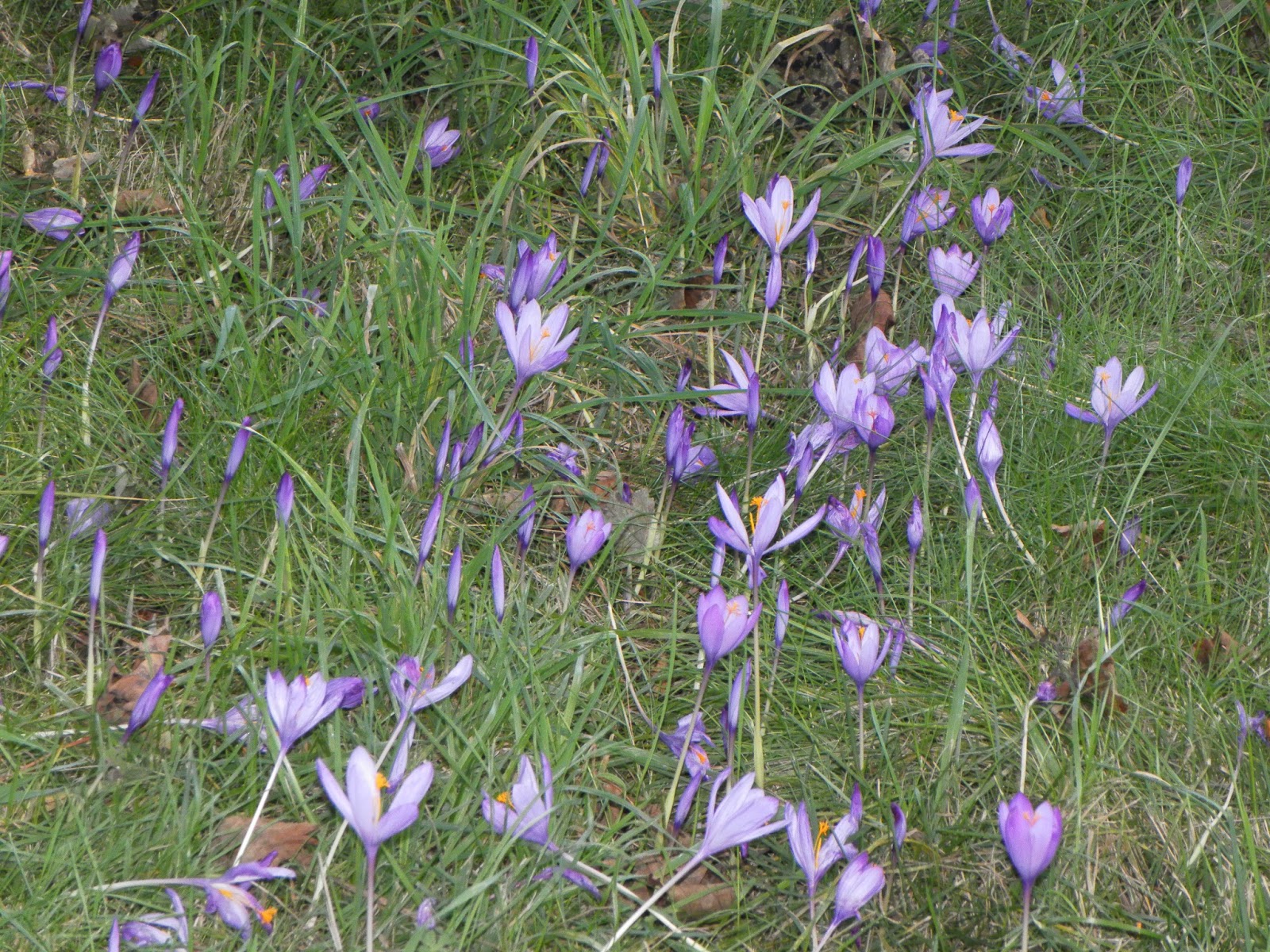 |
| A few of the blooms at Bradshaw Church 18/9/2016 Report: We had a brilliant walk, with 8 of us involved. There were about 200 blooms in Bradshaw Church yard, under the east boundary wall. There were about 150 blooms in the bottom of the valley beside the hollow Sycamore with the hole right through its trunk, and there was a good count of 58 ( gaining year on year,) beside the beck at Oats Royd, where the ponds are. We ate our lunch beneath the trees at Ogden Water, explored the top of Soil Hill, viewing from there north to the hills in the Dales, and east to the white horse at Kilburn, over the other side of the Vale of York. Our mid-afternoon break and snacks were taken looking out over one of the Oats Royd ponds.
A new observation of the plant is that, though I said in my booklet “The Mystery of the Autumn Crocus” (still available) that I had never seen the plant set seed in Calderdale, I can now prove that they do occasionally do this, as a capsule with seeds appeared in a pot in my garden this spring 2016. (I have some under observation in a pot after digging them with permission from a site on private land, out of sight of the public.) Steve.
|
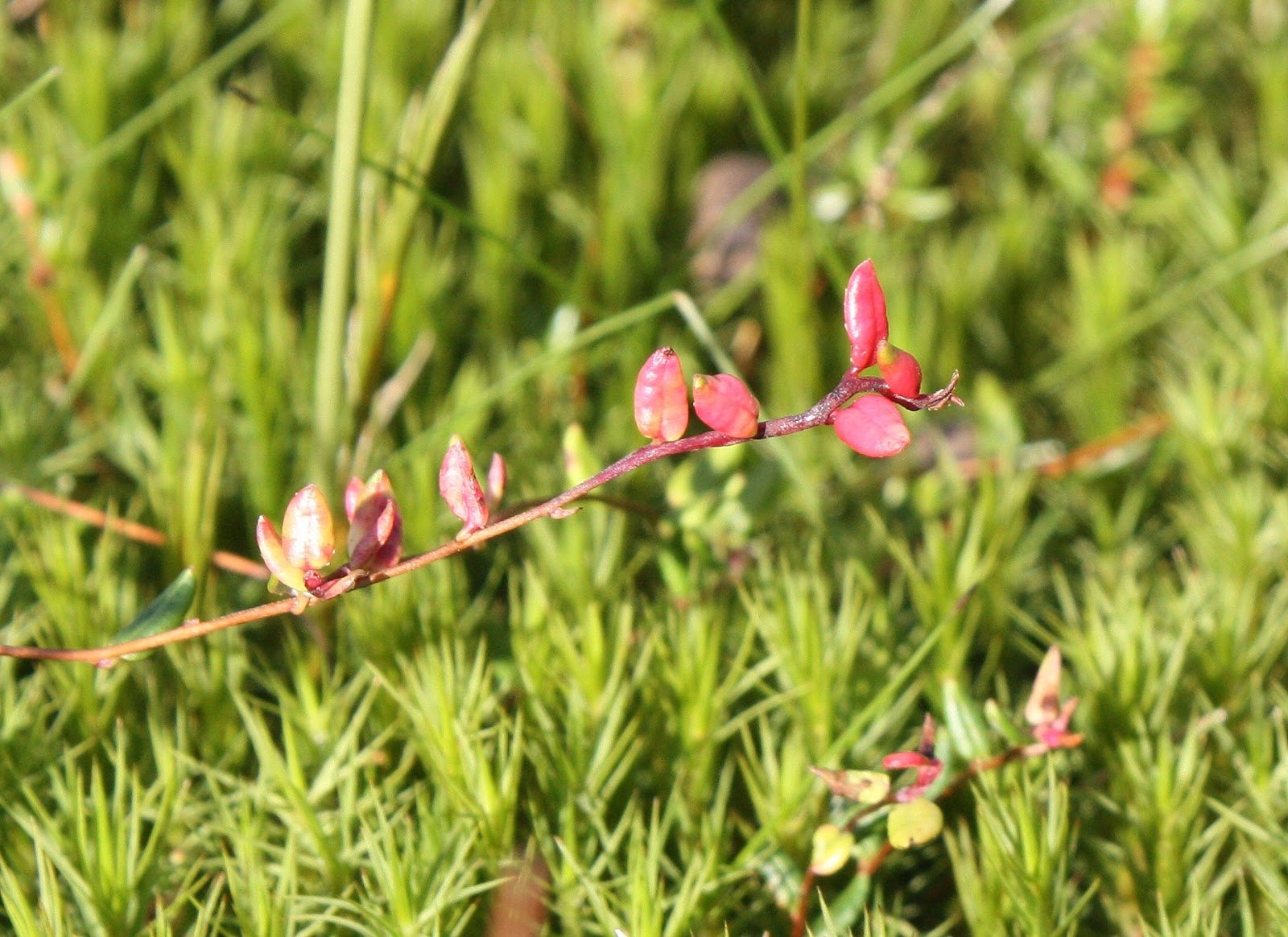
Today I refound cranberry growing on White Isles, just north of the trig’ point on Dog Hill. I first found this about 15 years ago, but it was in flower then.
Also a red admiral was enjoying the sun near Parrock Nook Independent Union Chapel (sadly closed for good as a church on the 2nd September 2016, a pinned up note outside said).
Regards, Chris
I have never seen as many wasps in mid-September as this year. All our cars on the avenue have been covered in them for the last week or so, attracted no doubt by the honeydew from the adjacent Lime Trees. They are quite tame and unaggressive and seem a little undernourished. It won’t be long now before they are all gone for this year. I feel quite sorry for them.
Grasses are wind pollinated and don’t produce nectar, so you don’t associate bees with them. Yet today I saw dozens of small bees busily collecting pollen from the many flowering stems of Purple Moor Grass in our garden. They were excitedly landing on the delicate flowering heads, causing them to bounce up and down with the bees’ slender weight. I have never seen this behaviour before and wonder if vast acreage of the uplands with Purple Moor grass are feeding the bees?

Our valley was planted in the early 19th century with Beech trees, a species which would have been a novel species for our area at that time. They have been a remarkably resilient tree, surviving through a century and a half of terrific pollution.
But; All the original Beech are now approaching 180-200 year old and entering their final years. In 20 years time most of the big trees will have gone. They do not grow downwards in old age as Oak does; for when they decide time is up, they don’t linger.
We should not help these old Beech on their way by removing them for woodland management purposes, where the emphasis now is to encourage other species such as Oak.
I think we should enjoy them while we can and leave the best specimens well alone in any management scheme. We will never see again as many massive Beech as we have at present.
Better by far to concentrate on the prolific number of Beech saplings which are insidiously springing up as under storey in many woodlands. This is a problem that is easily solved at present but if neglected will kill the ground flora and most of the other tree species in the wooded area.
Get out and enjoy, photograph and record these huge Beech; they won’t be around for much longer.
The photo shows a multi-stemmed huge Beech on the HSS walk to Sun Wood in June this year. But also note the bleeding canker which is affecting Beech throughout the valley. This is quickly hastening the end for many of them as the fungus like organism cuts off the flow of sapwood.
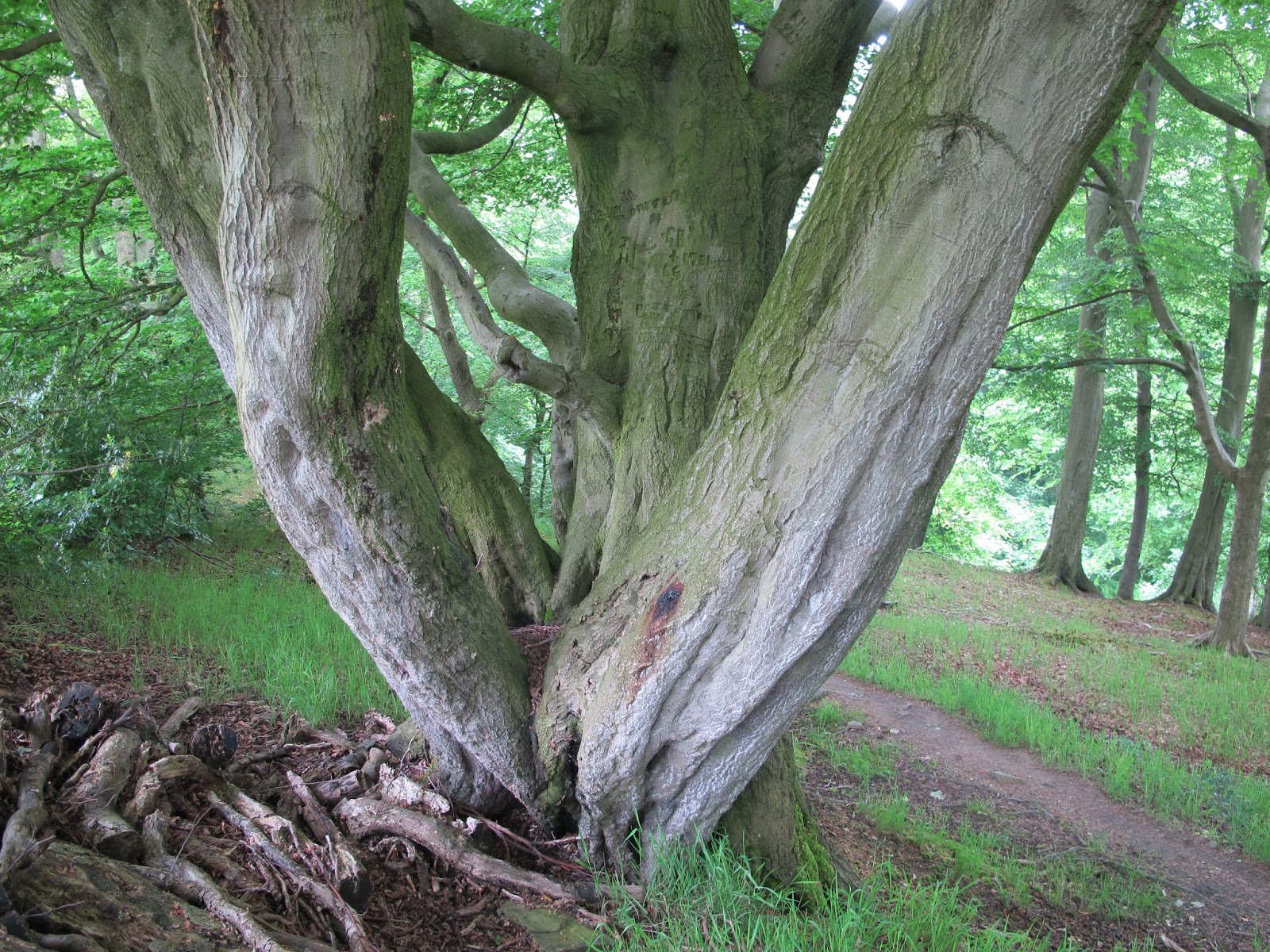
Also note the arborglyphs written in the central trunk. Was this a boundary tree, coppiced or was it bundle planted?